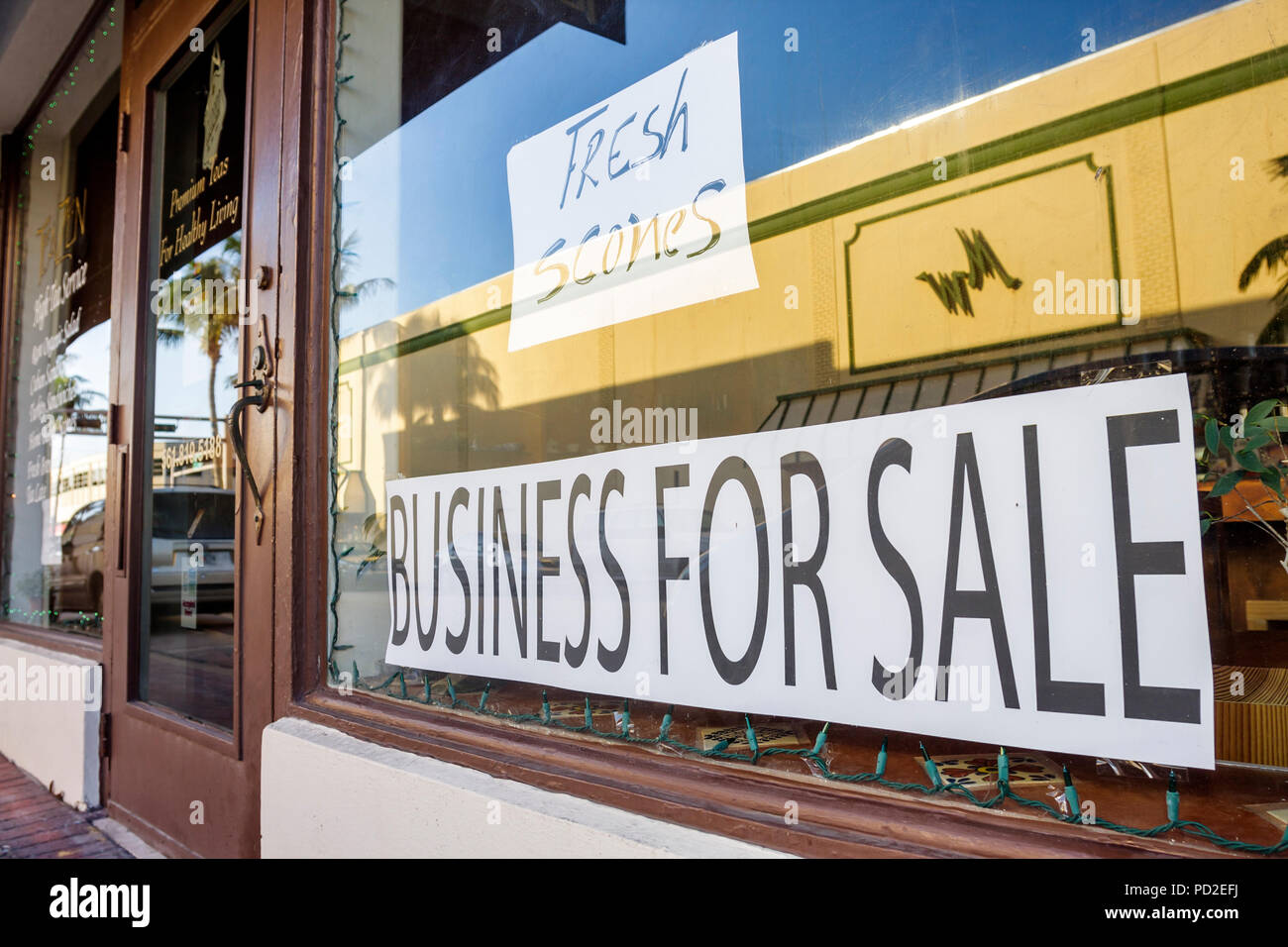
Buying a restaurant rarely hinges on finding the cheapest listing. It’s about reading between the lines of a cash flow statement, walking the kitchen line at 10 p.m., and negotiating terms that leave you with oxygen after the first year. If you’re searching for a restaurant small business for sale London near me, you’ll find two distinct markets with overlapping lessons: London, United Kingdom, where leases and licensing are their own labyrinth, and London, Ontario, where demographics and neighborhood dynamics decide your lunch rush. The fundamentals of a good deal are the same in both places, but the details change. I’ve sat on both sides of the table, coaching sellers through messy exits and buyers through blinding optimism. The notes below come from that mix of spreadsheets and grease traps.
Start with the map, not the menu
The usual impulse is to fall in love with the concept. Resist that. Location decides your break-even more than branding does, especially your first two years. In London, UK, the distance from a Tube stop can swing weekday footfall by several hundred covers per week. In London, Ontario, a restaurant tucked behind a plaza pylon sign can be invisible without the right digital presence and local partnerships. A busy corner does not automatically mean a profitable business, but a dead block almost guarantees a high marketing spend.
Walk the area at three different times: weekday lunch, Friday night, and a rainy Monday between 3 and 5 p.m. Count people. Note what they carry and how quickly they walk. A commuter corridor might carry volume at 8 to 9 a.m. and 5 to 7 p.m., then flatten. A residential strip with strollers and dogs signals weekend brunch potential. If a seller’s pitch leans hard on “footfall,” ask for actual hourly sales by day. Patterns tell you if the site feeds off office lunch, late-night students, theatre goers, or delivery.
Decoding the listing language
Brokers and owners use shorthand that hides problems in plain sight. “Turnkey” sometimes means you can unlock the door and start service tomorrow, but often it means the equipment is old, the staff is restless, and the landlord is still waiting on a repair escrow. “Fully licensed” can be the gold standard in central London or just a checkbox in suburban Ontario. “Low overhead” is relative. Ask for last 24 months of utility bills, full payroll records, and the merchant statements. If they won’t share those under a simple non-disclosure, the story already has holes.
If you’re aiming to buy a business in London Ontario near me or hunting for a business for sale London Ontario near me, you’ll see plenty of owner-operator eateries priced on emotion rather than earnings. In those cases, strip the narrative down to seller’s discretionary earnings, then rebuild the story from that number. If the SDE doesn’t support a manager’s salary and a basic loan payment, you’ll be chaining yourself to the grill for free.
Licenses, compliance, and the cost of being allowed to trade
The rules differ, and the surprises can be expensive.
In London, UK:
- You’ll need a Premises Licence for alcohol and late hours, a designated premises supervisor, and adherence to the licensing objectives. If the business already has these, check for conditions like door staff requirements or noise limits after 10 p.m. These can add recurring costs. Planning use class should match actual use. Most restaurants fall under Class E now, but if outdoor seating or extraction changed, make sure there’s permission. Neighbors above can trigger environmental health headaches if your extraction isn’t strong enough or your charcoal grill smokes out the lane. Business rates can dwarf rent in some boroughs. Ask for rates bill history and any reliefs. Integrate these into your monthly burn, not as an afterthought.
In London, Ontario:
- You’ll deal with a municipal business licence, health unit inspections, building occupancy standards, and liquor licensing through the Alcohol and Gaming Commission of Ontario. Renovations can trigger new code requirements, especially for fire suppression and accessibility. HST registration, WSIB for employees, and payroll deductions are routine, but mistakes here get expensive and stressful fast. Confirm no arrears carry over, or that the purchase agreement assigns liabilities appropriately.
Permits rarely tank deals on their own, but timelines do. If you must reapply for a licence transfer, pad your operating budget for a quarter with slower sales and potential temporary restrictions.
The lease is your real business partner
Most restaurants fail on rent, not recipes. In both Londons, a lease with the wrong escalations or a clawback clause can crush a decent operation.
Read the lease yourself initially, then pay a commercial lawyer to translate the landmines. Focus on:
- Term and options to renew. If you only have 2 years left with no options, you’re building someone else’s asset. Rent escalations tied to CPI or fixed steps. Model them out year by year against conservative sales growth. Assignment provisions. If you ever need to sell, can you assign the lease without a landlord veto? What are the conditions? Repair responsibilities. Many “full repairing and insuring” leases sound fair until you inherit a failing roof or ancient HVAC. Verify a schedule of condition exists. If not, you are agreeing to return the property in perfect shape later, not its current worn state. Use of outdoor areas, signage rights, and delivery access hours. A back alley that closes at 7 p.m. can cripple dinner service.
Push to meet the landlord. You’ll learn more in that conversation than in five pages of legalese. A landlord who asks thoughtful questions about your plan is usually better than one who says yes to anything.
Financials you can trust, and the ones you can’t
Accountants sanitize stories, but point-of-sale data whispers the truth. Ask for POS exports by day and hour for at least a year, plus delivery partner dashboards. If sales swing wildly on weekends only, price accordingly. If 40 percent of revenue comes from delivery, expect higher packaging and commission costs, lower alcohol attachment, and more volatile reviews.
Watch the following ratios:
- Cost of goods sold for food-based operations tends to stabilize between 28 and 35 percent in a well-controlled kitchen. Pizzerias and fried chicken can run lower, sushi higher. If a seller claims 20 percent COGS on a Mediterranean grill, probe for missing supplier invoices or aggressive portion cuts that customers will notice. Labor usually sits around 25 to 35 percent for full-service and 20 to 28 percent for quick service, before employment taxes. If the seller runs lean because they work 70 hours a week unpaid, add that back as a market-rate GM or head chef cost. Occupancy, including rent, service charges, and business rates or property tax, ideally sits at 8 to 12 percent of revenue. I’ve seen downtown London units at 15 percent survive with alcohol-heavy sales. Anything above that without a high-margin beverage program is rough. Delivery commissions can quietly consume 10 to 20 percent of total revenue if not managed. Compare in-house sales to delivery month by month.
Check for seasonality. For instance, in London, UK, August can be soft around office districts but buoyant near tourist zones. In London, Ontario, winter storms knock out evening dine-in but lift delivery. Your working capital must cover the troughs, not just the average month.
Assess the kitchen like a mechanic checks a used car
Equipment doesn’t show up clean and young for a resale unless the business is failing fast or the owner just refit, and either scenario deserves scrutiny. Visit during prep and service if the seller allows. When a fryer struggles to recover, the line slows and tickets stack. When extraction is underpowered, the chef cuts menu items to avoid smoke. These operational drags don’t appear on the profit and loss.
Open the fridges. Look for door seals, coil cleanliness, temperature logs. If you see a mountain of duct tape, budget for replacements. Ask for serial numbers and ages of major equipment. A new combi oven can save labor and reduce waste, but a broken one is a five-figure surprise. Don’t forget smallwares. Replacing pans, cutting boards, and ladles adds up in a hurry.
On fit-out, confirm the kitchen was built with proper permits. A “creative” vent solution may have skirted regulations years ago. You’ll inherit that risk, and it often surfaces only when a neighbor complains.
Menu, margins, and the real meaning of “concept”
A menu is a business model. When I coach buyers scanning a small business for sale London near me, we drag each dish through a simple test. Does it sell at least weekly? Does it hit target food cost? Does it fit prep labor capacity? If the answer is no twice, it goes. A bloated menu reads like confidence but functions like indecision.
If you’re keeping the current concept, run a shadow cost of goods on the top 20 sellers using your intended suppliers. Ingredient prices change fast. If you’re planning a concept pivot, pace it. Abrupt changes can alienate regulars who keep the lights on. Target easy wins first: tighten portion sizes, standardize recipes, rationalize SKUs, and slow the churn of limited-time items unless you have a system to execute them cleanly.
Alcohol matters. In London, UK, beverage-heavy concepts can survive rents that would bury a coffee-only operation. In London, Ontario, a good local tap list and simple cocktails can lift margins without slowing the kitchen. If the site can’t serve alcohol, account for lower check averages and a different daypart mix.
People: the asset you can’t buy, but can lose
A transition lives or dies on staff stability. In the weeks before handover, rumors fly. Line cooks worry about new hours, servers wonder about tip policies, and managers consider jumping. Get in front of it. Ask the seller for a staff list with tenure and pay. Identify the keystone roles: head chef, shift leads, a reliable prep cook, a charismatic lunch server. Meet them early. If two of those four plan to leave, bake it into the offer price or the transition plan.
Pay attention to invisible benefits. Informal schedule flexibility often matters more than a 50 cent raise. If the current owner works the pass most nights, that leadership disappears on day one. Consider a retention bonus that vests after 60 or 90 days, tied to performance and training goals. Outline expectations on timekeeping, cash handling, and service standards before you take the keys.
Valuation that respects cash flow and risk
The simplest valuation tool for small restaurants in both Londons is a multiple on seller’s discretionary earnings. Typical ranges cluster around 1.5 to 3 times SDE for owner-operated restaurants with stable historicals, solid lease terms, and clean books. You pay more when the systems are tight, the brand has strong reviews, and the lease has runway. You pay less when the owner is the chief attraction, the books are murky, or the site has known structural issues.
Asset sales are common. You purchase the fixtures, equipment, inventory, goodwill, and sometimes the brand, but leave behind corporate liabilities. This structure can simplify risk and tax treatment. Share sales can make sense when licences, supplier contracts, or leases are difficult to transfer, but do deeper diligence on liabilities.
When a seller anchors on a price shaped by build-out cost, remind them build-out dollars do not equal enterprise value. Buyers pay for cash flow and risk-adjusted potential, not for yesterday’s tiles and lights.
Financing and cash runway
Bank loans for restaurants can be hard to secure without collateral or a strong operating history. In Canada, programs sometimes assist small business financing if the asset mix fits. In the UK, some buyers use personal guarantees or outside investors. Either way, you cannot finance pure optimism. Bring at least 20 to 30 percent of the purchase price in cash, plus a separate working capital cushion that covers three months of core costs without sales, especially if you intend to change the concept or renovate.
Run your worst-case cash flow. Factor in landlord deposit, licence transfer fees, initial inventory build, payroll floats, and any deferred maintenance you must tackle immediately. If your working capital is thinner than two payrolls, you are betting on perfect weeks. Restaurants rarely hand you those.
Due diligence, day-by-day
Here’s a tight, practical checklist you can adapt during the diligence window. It stays short because if you cannot secure these items, the deeper work won’t save the deal.
- Last 24 months of P&L, balance sheet, and tax filings, plus POS sales by day and hour. Full payroll exports, including roles and effective wages, tip handling method, and schedules. Lease, amendments, side letters, schedule of condition, and any landlord correspondence about repairs or complaints. Licences and inspection history, including any notices from health, fire, or licensing authorities. Equipment list with serial numbers, service records, and any remaining warranties.
Verify these against external sources: landlord confirmation letters, health department portals where available, and supplier statements that match COGS. Inconsistencies happen. What matters is how the seller explains them and how you quantify the impact.
When the listing is near you, but not right for you
A common trap while searching for small business for sale London near me is overvaluing convenience. A location five minutes from home tempts you to overlook structural flaws: no extraction for hot food, a rent spike in year three, or a fatal parking situation. I once watched a buyer take a beautiful 30-seat corner in a leafy London neighborhood with a dream brunch menu. The catch, barely visible in the lease, was a strict limit on outdoor seating due to noise complaints. They banked on sunny weekends filling the patio. It never happened, and winter crushed them. The same buyer later took a less picturesque site near a university, offered a tight breakfast-and-espresso menu with delivery, and thrived. Convenience is a perk, not a thesis.
Transition plan that keeps revenue intact
The first sixty days decide your reputation more than your marketing does. Customers forgive tired paint and a wobbly chair if the food is hot and the service is kind. They do not forgive chaos. Plan the handover like a stage play.
- Freeze big menu changes. Focus on speed, consistency, and friendliness. Introduce a few specials to test direction without shocking regulars. Train on three non-negotiables: ticket timing, basic hospitality standards, and cash/card handling rules. Post them. Rehearse them. Audit suppliers and delivery partners in week one. Renegotiate terms if you have volume, but be careful changing long-standing relationships too fast. A missing bread delivery can derail a day. Spend two nights working each station. You will learn more running the pass or expo than sitting in the office reshuffling categories on the chart of accounts.
Even if you plan a rebrand, consider a two-step: clean up operations first, then refit after you build some cash. Every reno day is a zero-sales day plus rent.
Marketing that fits the neighborhood, not the algorithm
Paid ads have their place, but your first customers live within a 10 to 15 minute radius. Introduce yourself to nearby businesses and offices. Offer a simple neighborhood discount for a limited period with a physical card, not a coupon site that trains people to expect 40 percent off forever. In London, UK, theater nights and pre-show menus can be gold if you are within walking distance. In London, Ontario, high school sports nights, university calendars, and local festivals matter more than national holidays.

Reviews matter, but ask sparingly. Deliver a good meal, then at the bill say, “If we earned it, a quick review helps more than you think.” Train staff to save the request for tables that had a clear positive experience. Respond to negatives fast, with specifics and humility. Vague apologies read like templates.
Edge cases where buying makes sense against the odds
There are times when a flawed site works for the right buyer.
- Kitchen-first models. If the space has a great extraction system, strong power, and a modest front-of-house, a production-heavy concept like catering plus a small retail counter can outperform a full-service setup. Ghost or hybrid kitchens. In dense parts of London, UK, a small unit with robust delivery demand can print cash if the rent is proportionate and you resist menu sprawl. In London, Ontario, delivery can dominate during winter if you build tight packaging and predictable speed. Niche ethnic concepts with loyal diaspora communities. If you understand the cuisine and the community, a low-visibility location can work because reputation travels by word of mouth. This works only if you can execute authentically and keep ingredient supply costs predictable.
When you should walk away
If the seller can’t produce bank statements that reconcile to reported sales, walk. If the landlord refuses a meeting and pushes a clause that lets them relocate you at will, walk. If the key staff are leaving and the recipes live only in the head chef’s notebook that he won’t share, lower your price dramatically or walk. Hope is not equity.
UK vs. Ontario realities, without the romance
Operating costs in central London, UK, are higher, but so are average checks when alcohol carries the margin. Labor markets https://edgarxshu427.cavandoragh.org/how-to-present-your-business-to-buyers-liquid-sunset-s-london-strategy oscillate, and visa or right-to-work compliance needs attention. Delivery platforms take real bites. Winning concepts carve out service discipline and an identity that isn’t easily copied.
In London, Ontario, rents are gentler, but volumes must be earned. Local loyalty is real, and word gets around fast, good or bad. You live and die on consistency and community ties. Winter seasonality and parking shape demand. You’ll face fewer licensing hoops, but margins still depend on controlled labor and smarter menu engineering, not just lower rent.
If your search includes phrases like buy a business in London Ontario near me or business for sale London Ontario near me, remember the temptation to over-improve a space. Spend first on the invisible systems that speed service and keep food safe. Paint and branding can come later. If your search skews to central London, make sure your numbers assume higher service charge conventions, higher staff turnover, and an alcohol strategy that justifies the lease.
A simple deal structure that protects you
Aim for a fair price, not a perfect one. Protect the downside with conditions:
- Make the offer contingent on satisfactory landlord consent, license transfer, and verification of financials within a defined diligence period. Split payment between closing cash and a short seller note or holdback tied to the transfer of licences and equipment functioning. This keeps both parties engaged. Adjustments for inventory at cost, not at menu value. Count it together on the morning of completion. Non-compete that is reasonable in time and radius. You don’t need to ban the seller from cooking forever, but you do need breathing room.
Expect some friction at the finish line. Deals wobble in the last week. Stay calm, keep communicating, and focus on the few terms that actually matter.
Final thoughts from the line and the ledger
Restaurants demand stamina and a taste for detail. The right acquisition feels less like a gamble and more like a series of controlled risks. You can engineer many of those risks down if you look at the unglamorous parts with clear eyes: the lease, the licences, the hour-by-hour sales, the aging fryer, the one server whose smile keeps lunch humming. When you find a restaurant small business for sale London near me that fits your skills and your tolerance for stress, the work is honest and the wins compound.

If you’re close to making an offer, step back for one evening service. Watch the door swing, the printer chatter, the expo calls, the bar backs hauling ice. Imagine yourself solving the problems you see. If that vision energizes you rather than drains you, you’re looking at the right kind of hard.